Singapore’s Regulatory Arbitrage Era Ends: The Great Web3 Exodus and a Survival Guide for the New DTSP Regime
 Woodley Hardrick
The Fine Print: A Broad and Inescapable Definition of DTSP
What exactly qualifies as a DTSP? MAS provides an almost draconian definition:
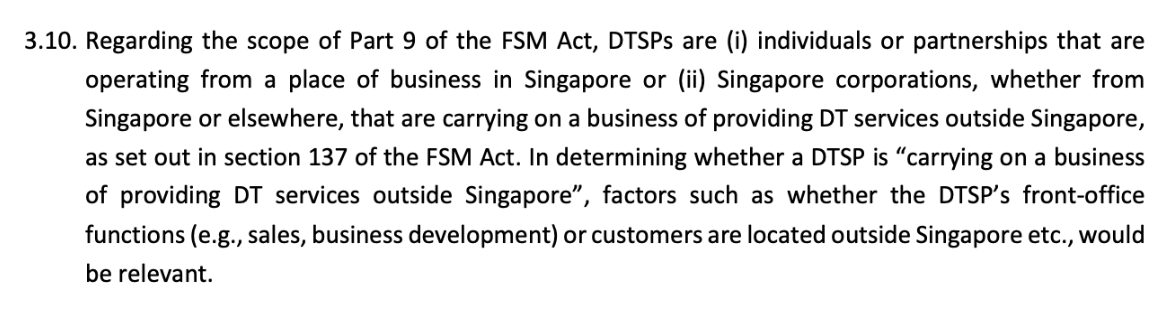
Any individual or partnership conducting digital token services from any business premises in Singapore (including even mobile setups).
Any Singapore-incorporated company offering digital token services overseas.
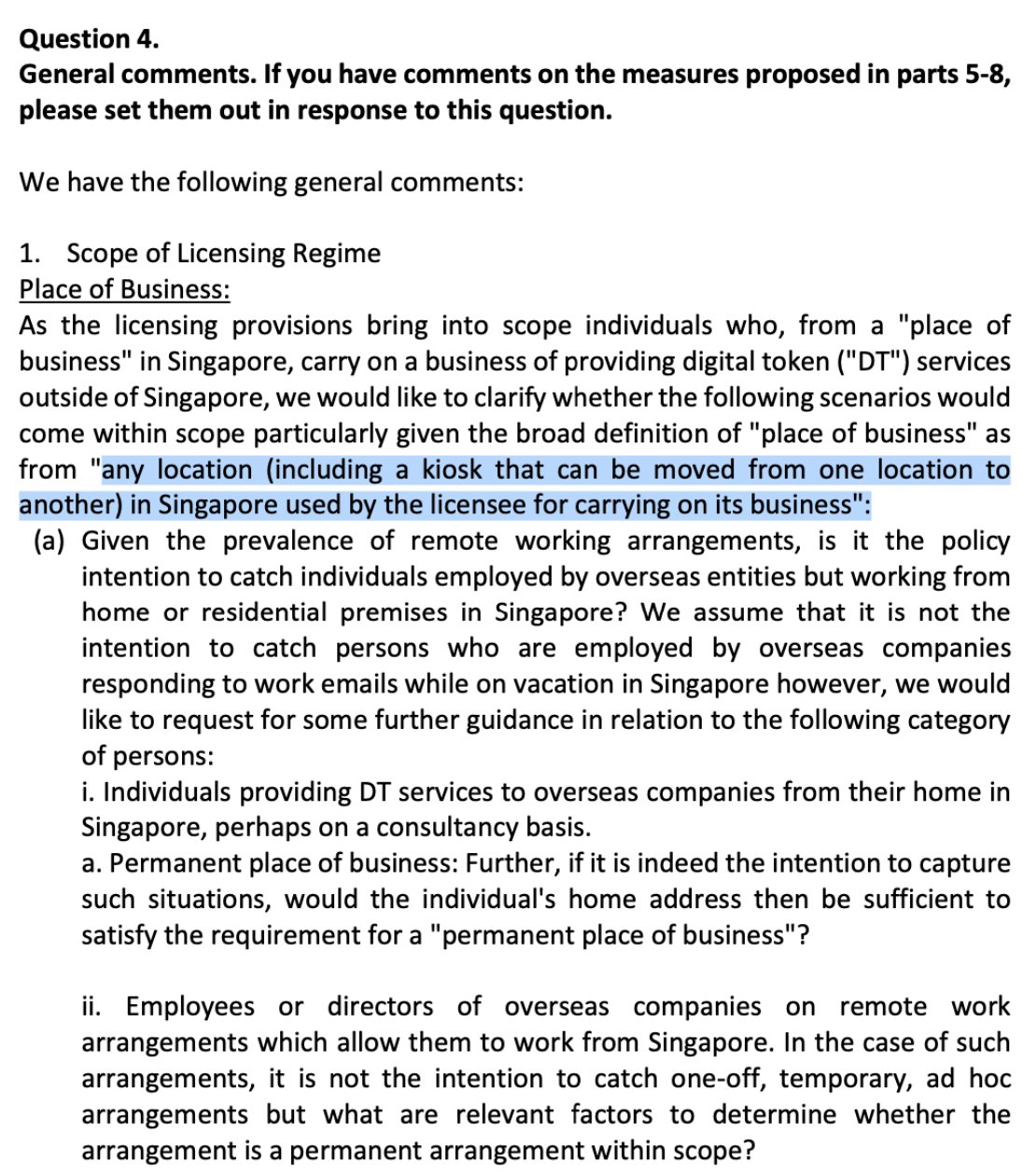
This sweeping scope has sent chills through the industry. MAS explicitly clarified that “business premises” are not limited to corporate offices but also include private residences, cafés, and co-working spaces. In other words, unless you are a clearly designated employee of a foreign entity, working from home could put you at risk.
Law firm Baker McKenzie attempted to seek exemptions for home-based operators. MAS responded bluntly: “Any provision of digital token services within Singapore requires licensing.” This effectively crushed many entrepreneurs’ hopes of "riding out the storm" from their living rooms.
Blurred Lines: Are KOLs and Analysts in the Crosshairs?
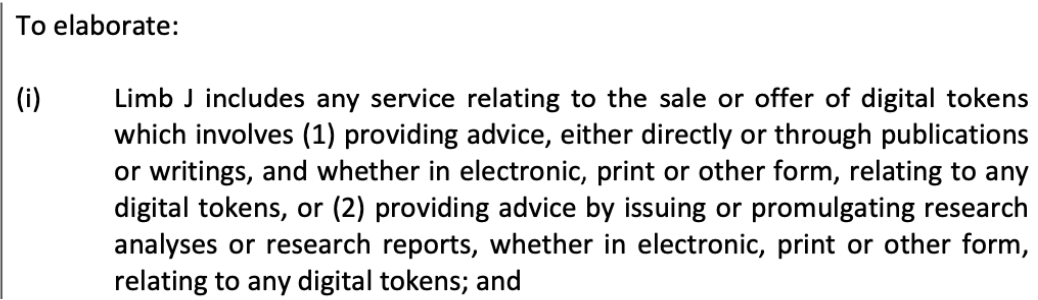
Adding to the industry’s concerns, MAS’s definition of digital token services is alarmingly broad—extending even to “providing advice related to digital tokens” and “publishing research reports.” In other words, publishing an article analyzing the investment value of a token in Singapore may now require a license.
The Blockchain Association of Singapore raised the question: “How would an ordinary research report be classified as related to token sales?” MAS has yet to provide a clear answer, leaving a regulatory gray area that forces analysts, KOLs, and content creators to reassess their communication boundaries carefully.
Who’s Safe? Only a Select Few Hold “Safe Harbor” Licenses
To date, only a few dozen companies have been granted full DTSP licenses, including major players such as Coinbase, Circle, BitGo, Hashkey, and OKX SG. A small number of firms—such as Cobo, Matrixport, and Antalpha—currently operate under exemptions. MAS has stated that license approvals going forward will be "extremely cautious and granted only in very limited circumstances," effectively signaling that 99% of SMEs and individual operators will need to seek alternatives.
For those already licensed, the new regime creates a significant compliance moat. While fostering fairer competition, it also raises barriers to entry and increases operational costs—setting the stage for a market where big players are poised to dominate.
"Leaving Singapore" Becomes the Only Option?
As the regulatory deadline approaches, the industry is gripped by uncertainty and anxiety.
Adam, a project operator, commented: “My entire network is in chaos; everyone is looking for where to relocate—Hong Kong, Dubai, Malaysia... staying in Singapore is no longer viable.”
Kevin, an employee at a crypto exchange, was even more conflicted: “Our company plans to move to Hong Kong, though the exact timing is still undecided. I've been living in Singapore for two years and was about to apply for PR. It’s bittersweet and frustrating.”
Hong Kong lawmaker Johnny Ng has already extended a warm invitation to Singapore’s Web3 firms: “You are welcome in Hong Kong.”
Why Now? The Reputation Crisis Behind MAS’s Clampdown
MAS’s crackdown did not come out of nowhere. In 2022, high-profile collapses of FTX (partially backed by Temasek) and local crypto hedge fund Three Arrows Capital (3AC) severely damaged Singapore’s international financial reputation. Then-Finance Minister Lawrence Wong (now Prime Minister) admitted that these investment failures inflicted significant reputational harm on the nation.
MAS’s hardline stance is now aimed at preventing Singapore from becoming a global hotspot for money laundering and fraud. The regulatory documents explicitly state: “Digital token services, given their cross-border and internet-based nature, are particularly vulnerable to money laundering and terrorism financing risks. The greatest threat to Singapore is reputational risk.”
Survival Guide: Navigating an Era of Exodus and Compliance
Under MAS’s iron-fisted approach, Singapore’s Web3 ecosystem is undergoing inevitable fragmentation:
Licensed companies will leverage compliance as a competitive advantage to scale.
Unlicensed firms will be forced to migrate to more open jurisdictions such as Hong Kong, Dubai, or Malaysia.
Individual practitioners face significant personal risk and must carefully evaluate both their business and personal arrangements to avoid regulatory pitfalls.
The era of regulatory arbitrage is officially over. Any company still hoping to "play the edges" is courting disaster. For those genuinely committed to long-term compliant operations, securing a DTSP license is now the only path to remaining in Singapore’s market.
Conclusion: A New Era of Web3 Nomadism as Singapore Shuts Its Doors
Looking back to 2021, Singapore once served as a global sanctuary for Web3 players. Giants such as Three Arrows Capital, Alameda Research, and FTX established bases here, benefiting from a zero capital gains tax environment and ample regulatory flexibility.
Today, this former "crypto Jerusalem" of Asia has firmly closed its doors.
The Web3 exodus from Singapore is now irreversible. The age of regulatory arbitrage is over. Going forward, Web3 players will need to adopt a nomadic mindset—constantly seeking the next regulatory haven.
"If you want to live, go to Japan. If you want to make money, go to Dubai,"
FinanceWiki는 사용자 창작물을 전달하기 위한 것이지만 사용자의 견해에 동의하거나 콘텐츠의 진위를 확인하는 것을 의미하지는 않습니다. 읽고 탐색할 때 스스로 판단하십시오. 기사는 FinanceWiki가 아닌 FinanceWiki에 등록된 사용자가 게시합니다. 위반사항이 있을 경우 처리 시간에 맞춰 연락주시면 최대한 빨리 대응하여 해결하겠습니다.